Meet TEAM MILES'

Comment

Meet TEAM MILES'

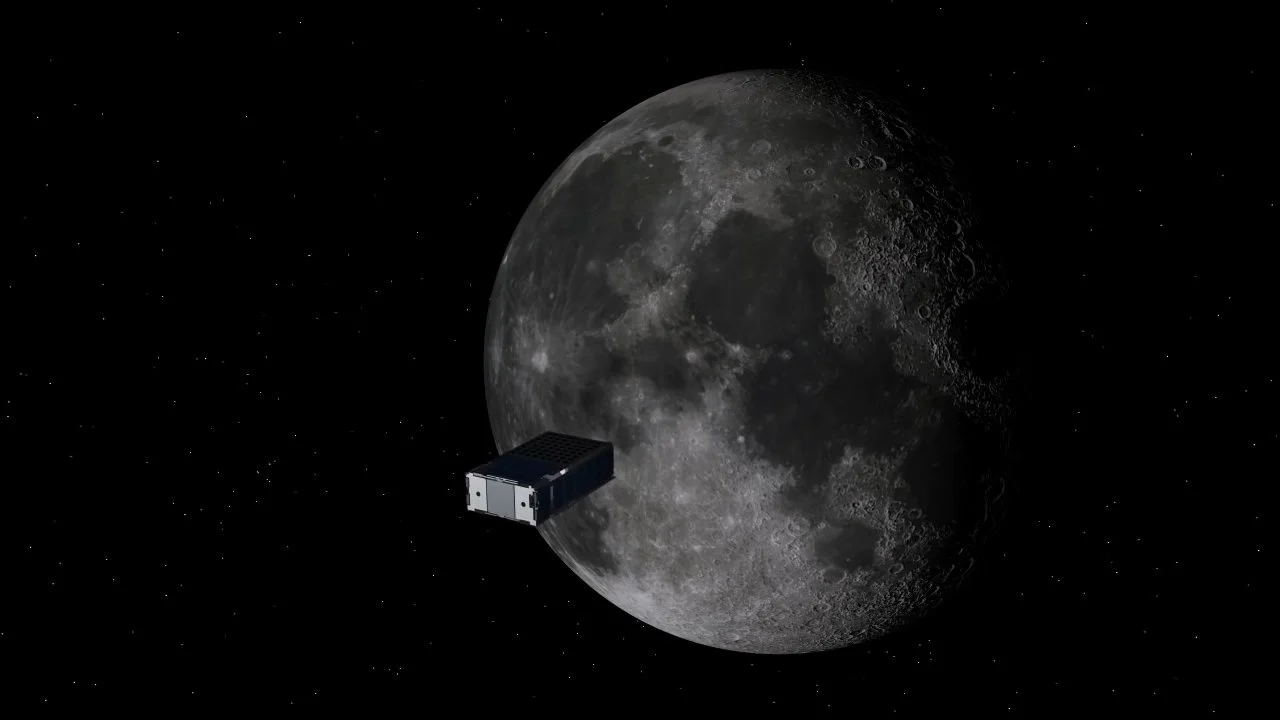
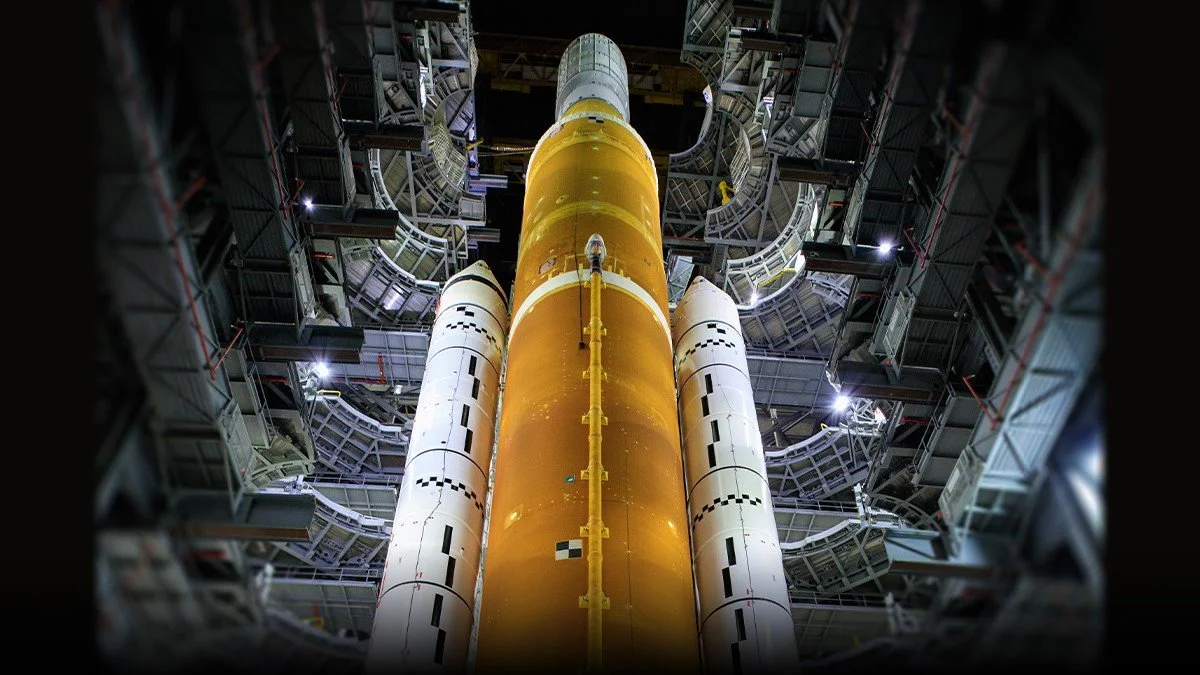
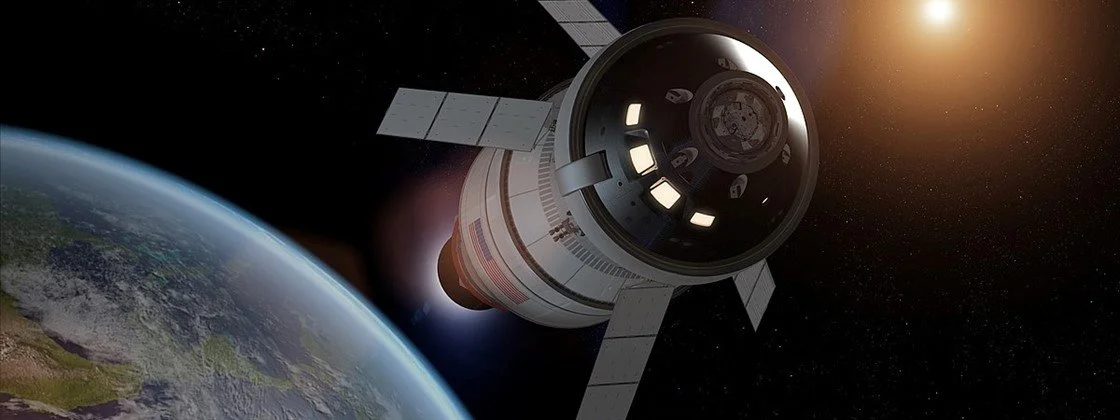
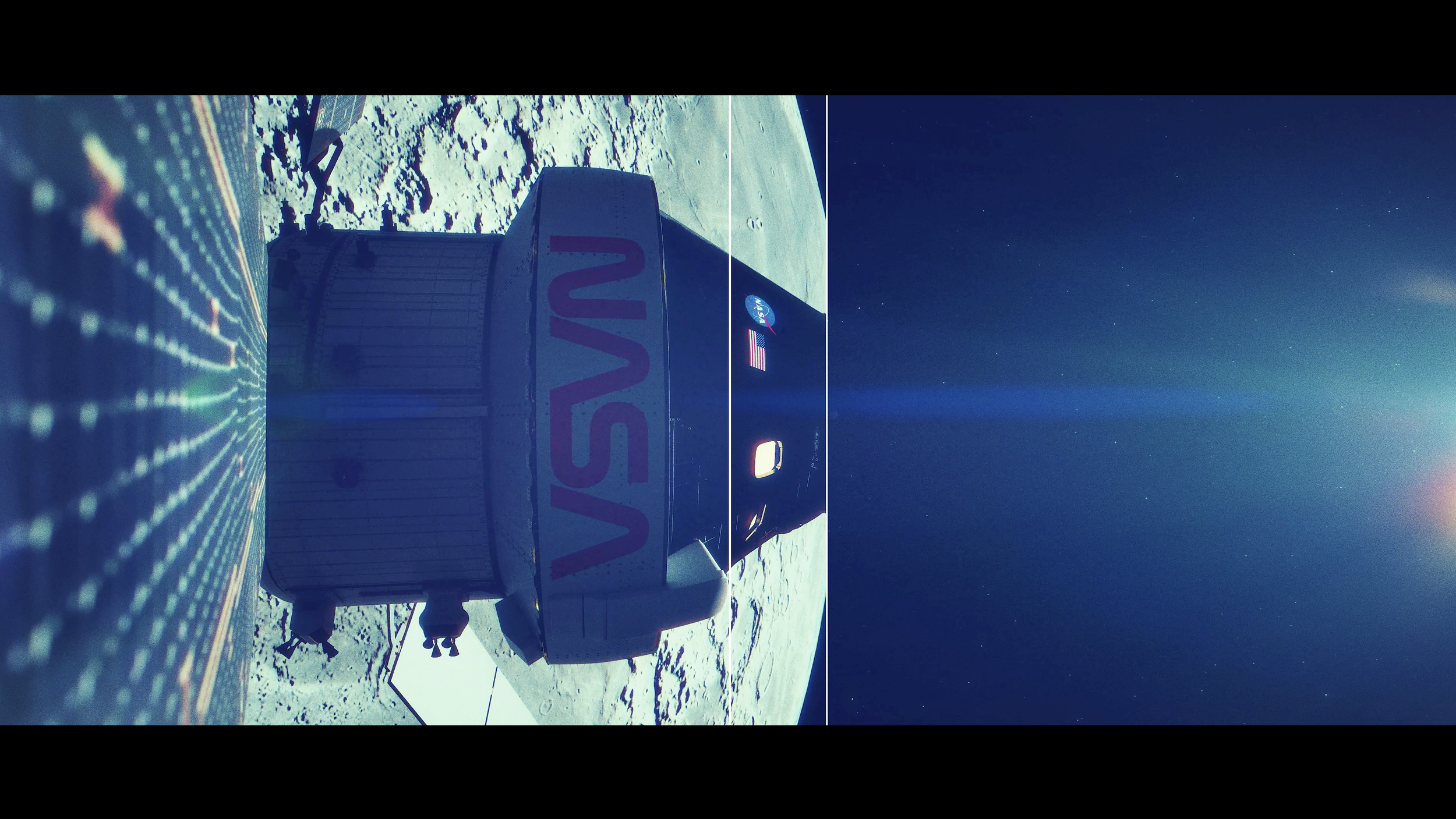
During the Artemis I mission, NASA’s Orion Spacecraft and NASA's Space Launch System will carry technology demonstrations and solar system science payloads into space. NASA Centennial Challenges' Cube Quest Challenge competitor Team Miles' CubeSat will be among the secondary payloads housed in the Orion stage adapter. When the tiny satellite is deployed, it will represent the first NASA challenge in space! Naveen Vetcha, challenge manager for Cube Quest, notes that this competition provided makers the chance to send their ideas into space, while also advancing tech for both future space missions and Earth applications. Team Miles, a Florida-based group of citizen scientists designed, built, and tested this small satellite that will demonstrate novel communications and propulsion technologies from deep space. Their 6U CubeSat features an array of 12 of their own ConstantQ plasma thrusters among other innovations the team developed for the competition. Team Miles is the first of two teams that will participate in this phase of the competition. The CubeQuest Challenge is still open to anyone who can build, test, launch, and fly a CubeSat in space within 365 days of Artemis I lifting off from the pad! Teams are competing for a total prize purse of $5 million. NASA’s Cube Quest Challenge is managed by Centennial Challenges, based at the agency’s Marshall Space Flight Center in Huntsville, Alabama. For more, please visit, https://www.nasa.gov/directorates/spa....
Comment

NASA'S Gateways to Blue Skies

Comment

NASA'S Gateways to Blue Skies

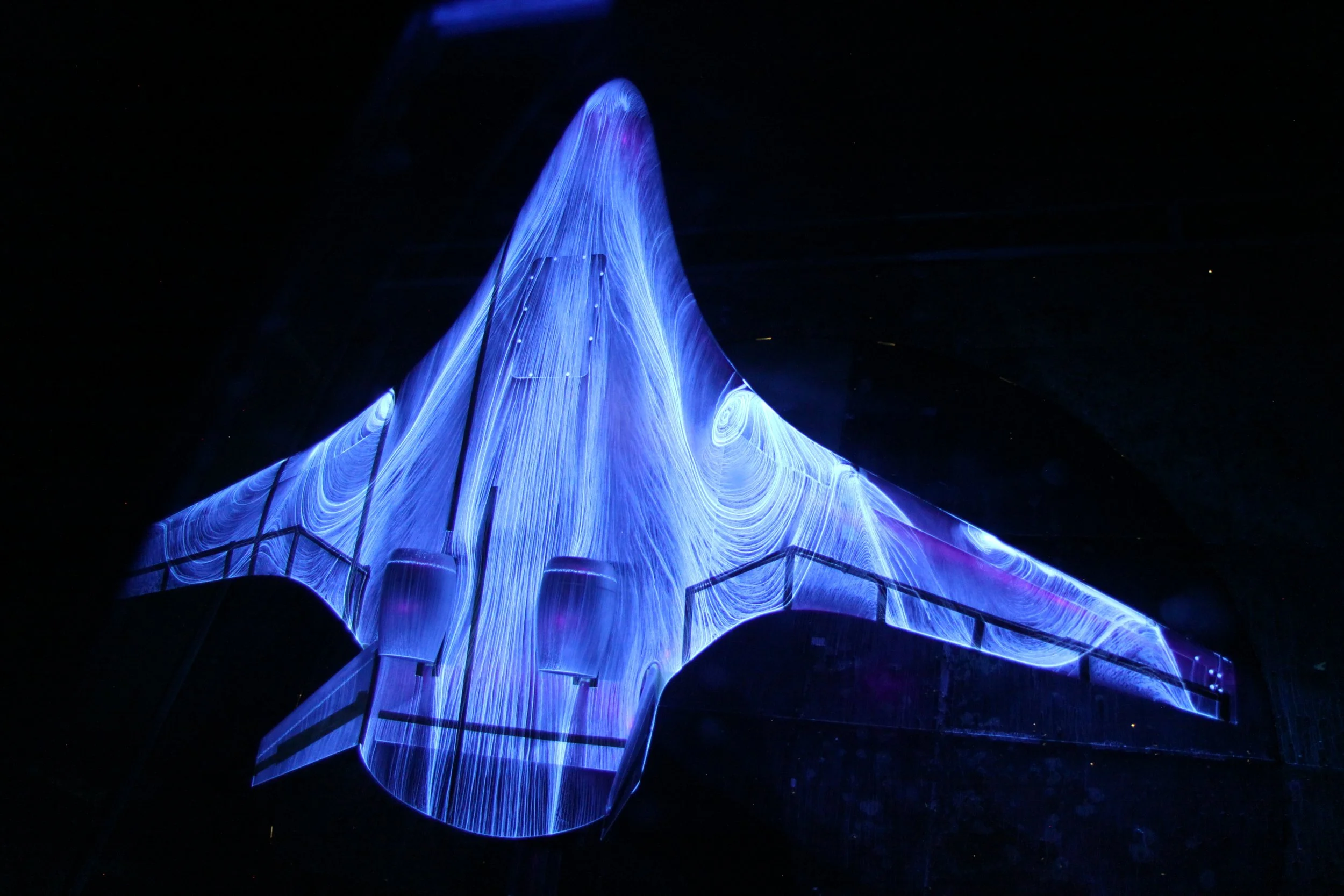
Calling all U.S. college students interested in clean energy! Identify new, clean aviation energy sources and analyze source-to-flight lifecycle climate impacts in the NASA Aeronautics 2023 Blue Skies Competition. Your findings could be the ticket to achieving the aggressive U.S. climate goal of net-zero emissions by 2050. Teams of 2-6: kick-start your career by competing to win NASA internships! Be the future: Start today! Learn more: https://blueskies.nianet.org.

Comment

Cube Quest

Comment

Cube Quest

During the #Artemis I mission, NASA’s Orion Spacecraft and NASA's Space Launch System will carry technology demonstrations and solar system science payloads into space.

One of these technology paylooads is NASA Centennial Challenges' Cube Quest Challenge winner Team Miles' CubeSat. This Florida-based group of citizen scientists designed, built, and tested a small satellite that will demonstrate novel communications and propulsion tech from deep space.

Comment

Transforming Future Space Technology

Comment

Transforming Future Space Technology

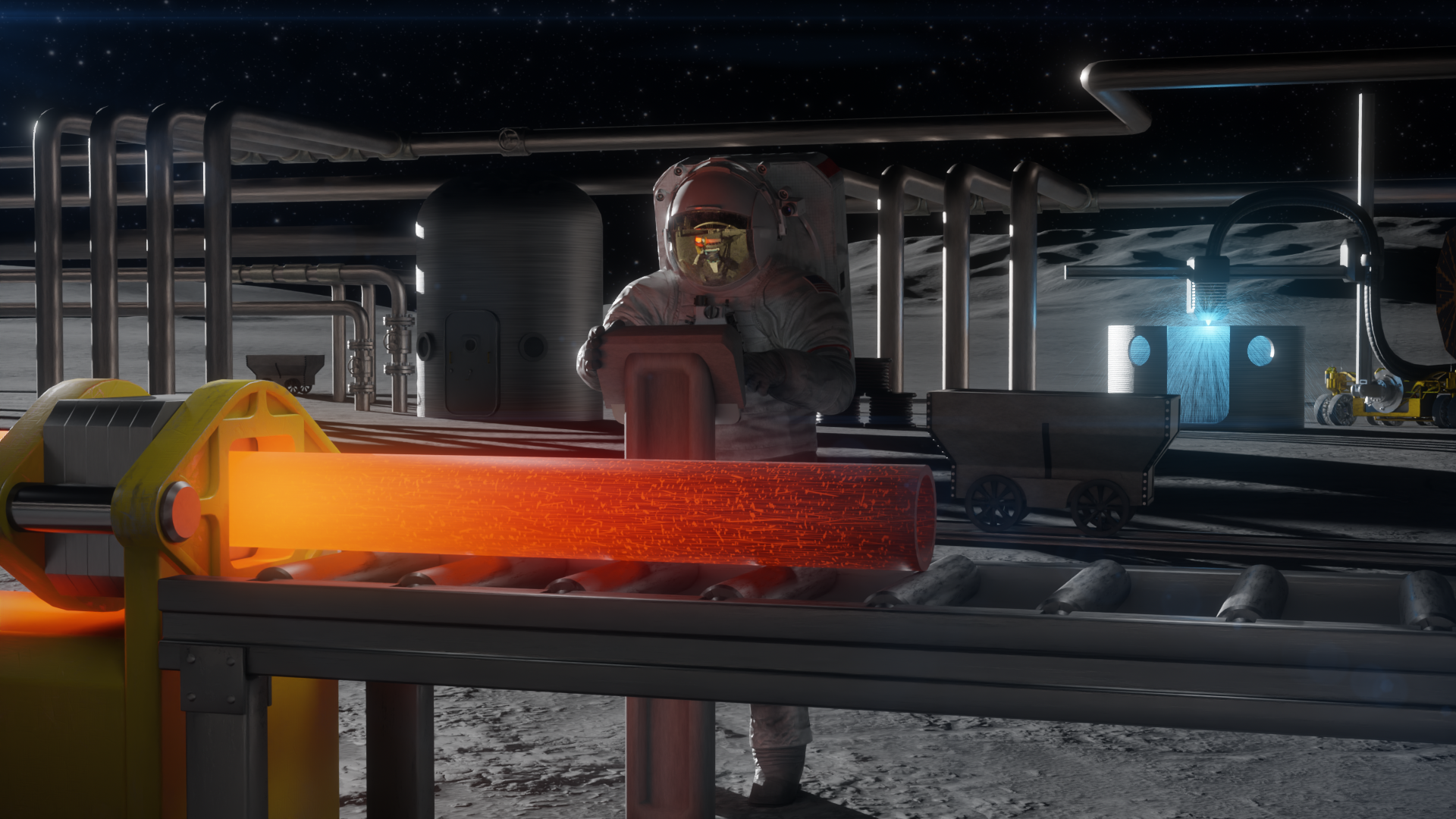
NASA Innovative Advanced Concepts (NIAC) is not your typical NASA program. From deep space human exploration to advanced propulsion and robotics, the NIAC program aims to change the possible by supporting early stage space technology research that could radically change the future. To find out more about this exciting NASA program, and to learn how to apply, see https://www.nasa.gov/niac

This video represents research studies within the NASA Innovative Advanced Concepts program. NIAC is a visionary and far-reaching aerospace program, one that has the potential to create breakthrough technologies for possible future space missions. However, such early stage technology developments may never become actual NASA missions.

Comment

SmartSuit

Comment

SmartSuit

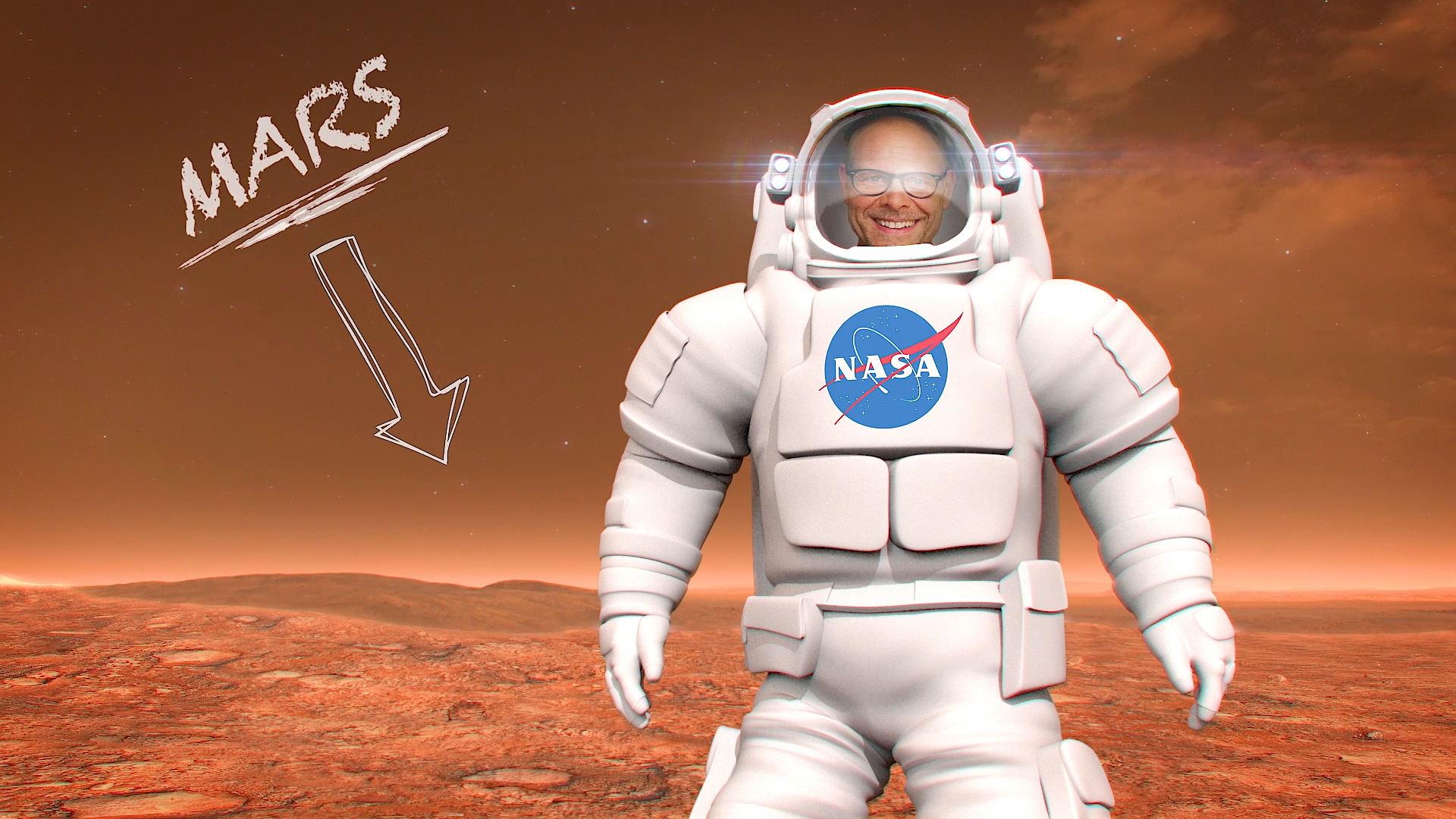
SmartSuit: A Revolutionary Spacesuit Concept

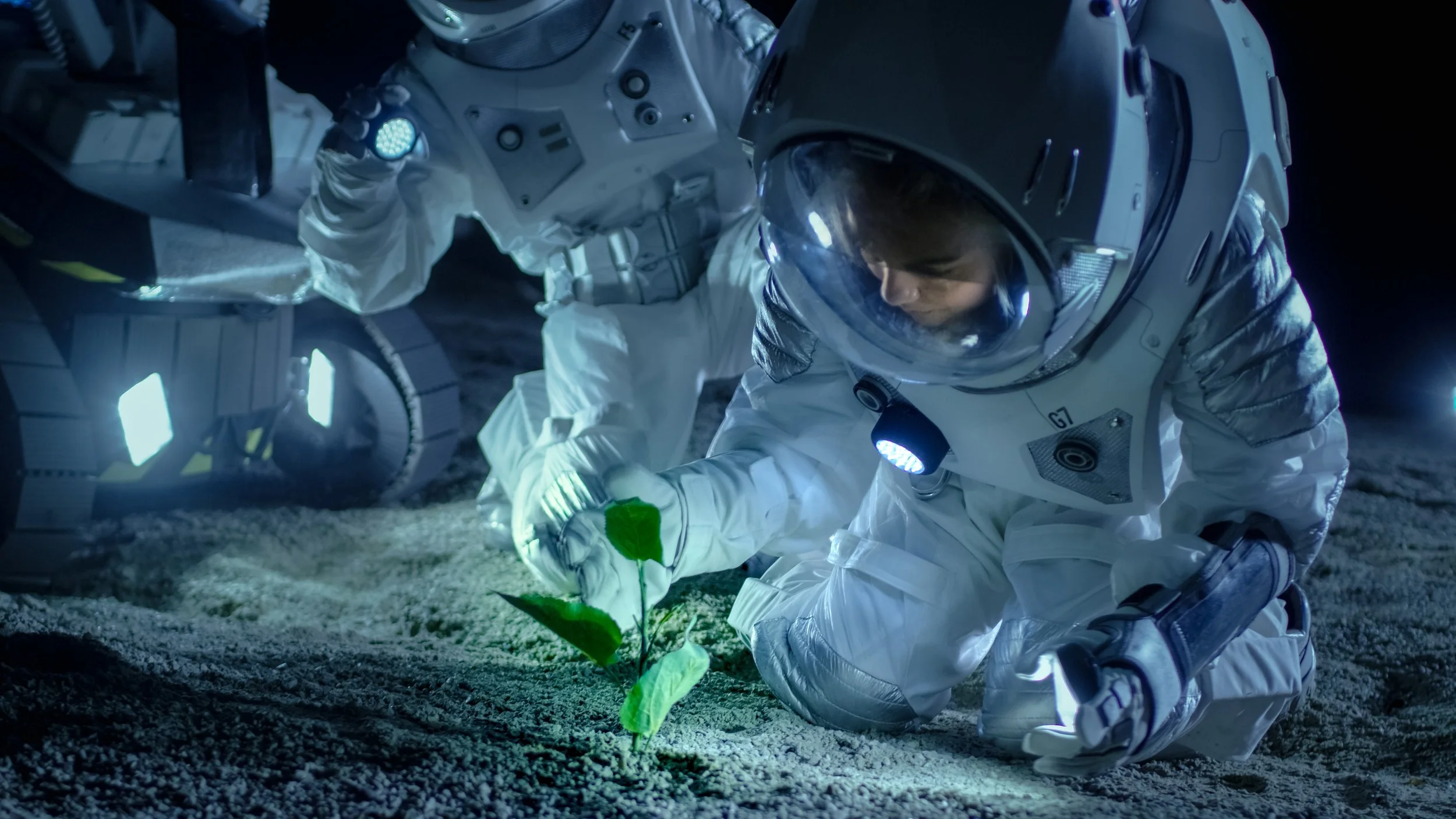
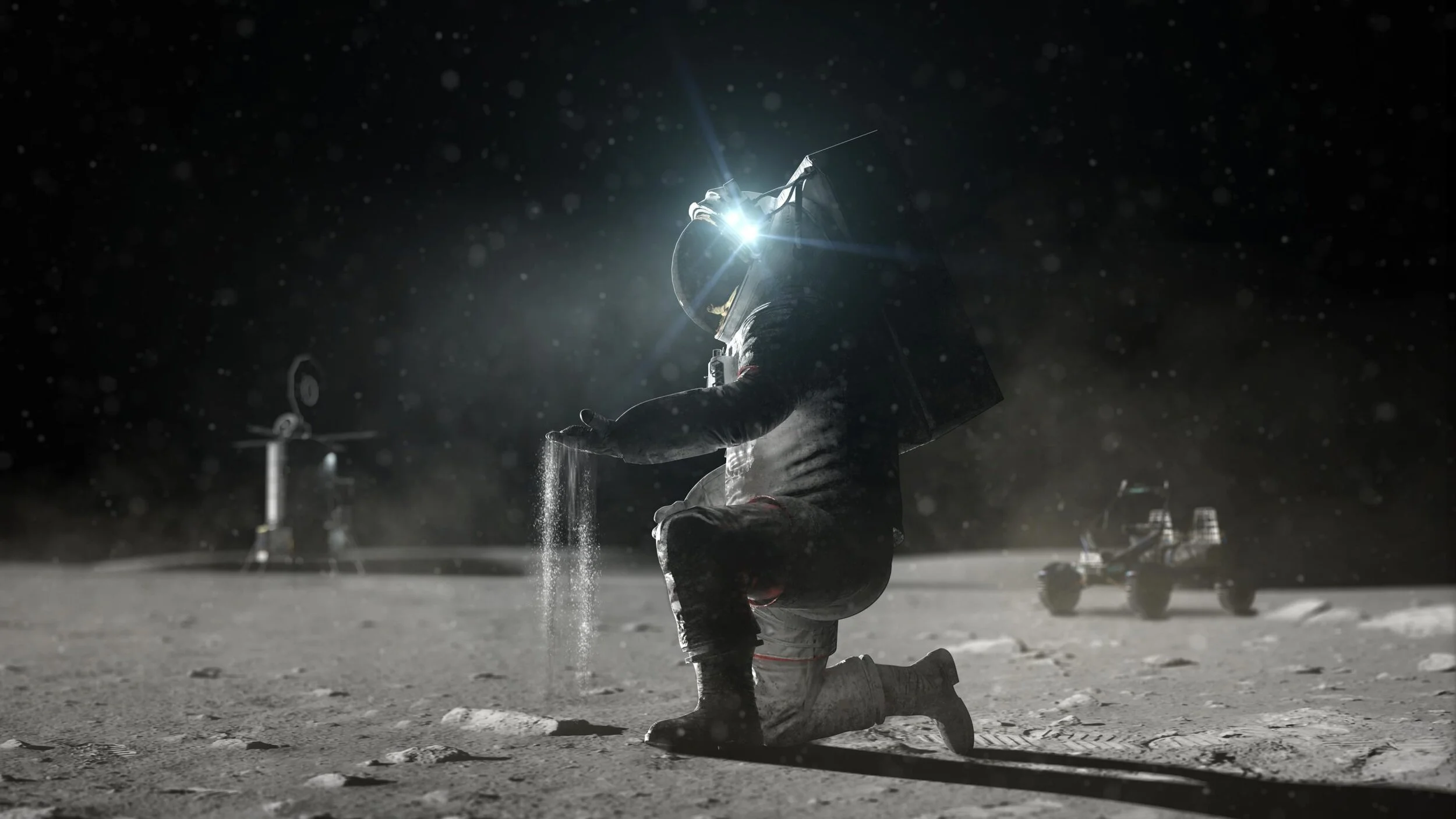
Spacesuits of the future could sport some slick new features. Researchers are working on a concept that would change the way astronauts suit up and explore by making future spacesuits intelligent, highly mobile and self-healing. Learn more visit: https://go.nasa.gov/3bMbMH1

Comment

Planetary Defense

Comment

Planetary Defense

Planetary Defense: By the Numbers - May 2021

How many near-Earth objects have been found thus far? How big are they? Are there any left to discover? Find out the answers to these questions and more in this month's Planetary Defense: By the Numbers video.

Learn more about NASA’s ongoing Planetary Defense efforts: nasa.gov/planetarydefense

Comment