Science, built for the future

Comment

Science, built for the future

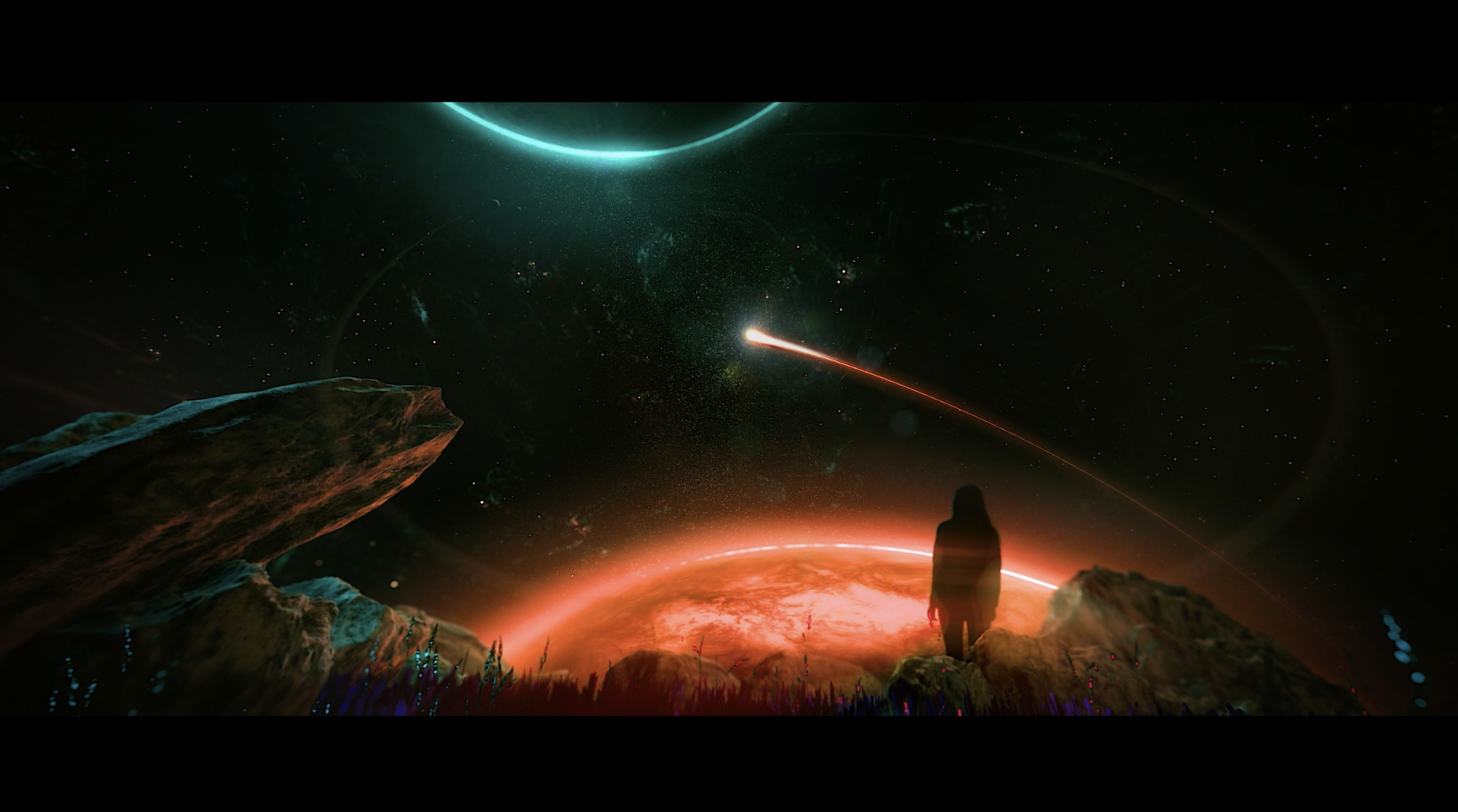
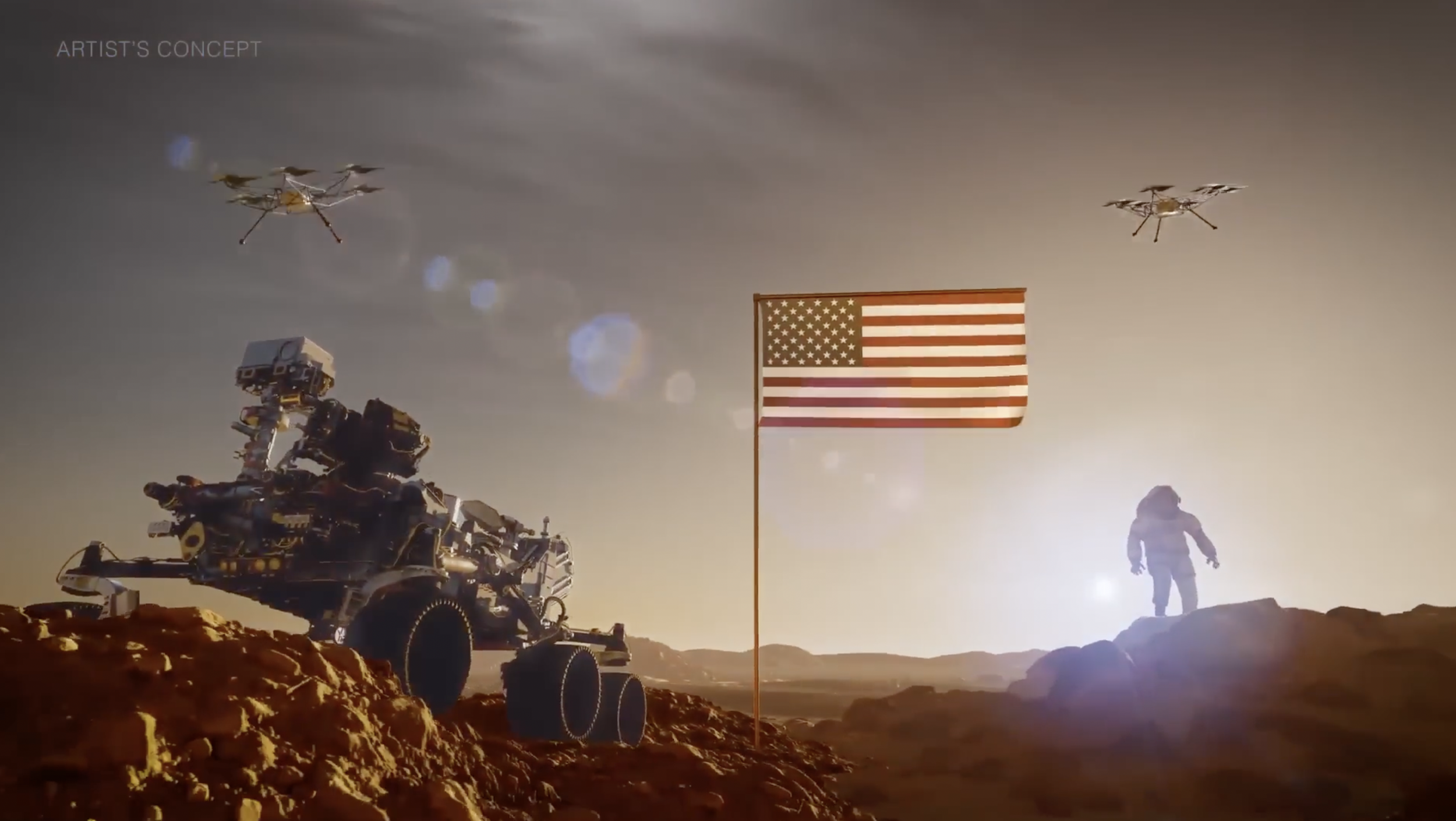
For generations, the pursuit of knowledge has transformed the unknown into the understood, turning questions into discoveries and discoveries into new frontiers. From the early days of Apollo to Voyager's journey into interstellar space, Hubble's breathtaking view of the cosmos, and Webb's search for the earliest chapters of the universe, each discovery has built upon those that came before it. As America marks 250 years of innovation and progress, we're reflecting on another journey that spans generations: humanity's ongoing quest to understand the universe and our place within it. Because every discovery brings the horizon closer. Learn more: https://science.nasa.gov

Comment

Earth-like Exoplanets

Comment

Earth-like Exoplanets

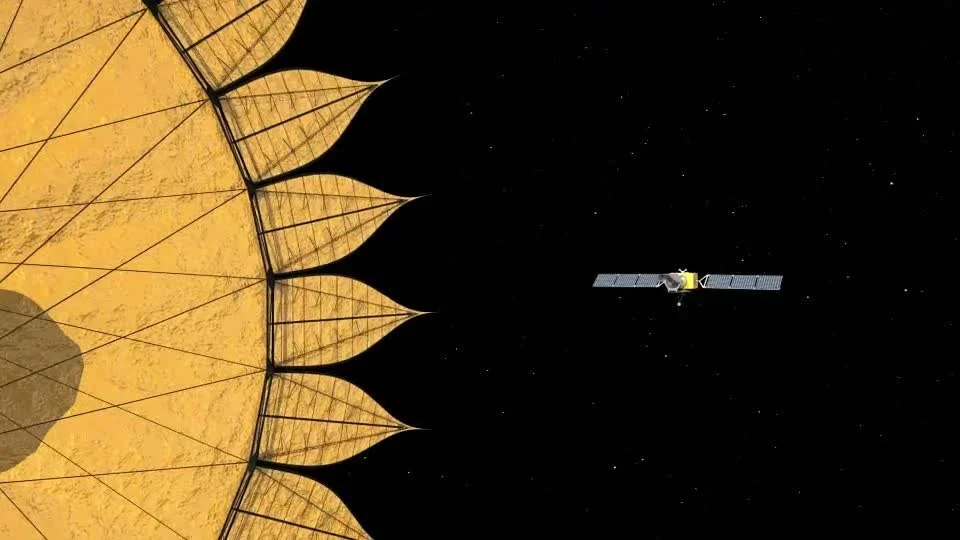
Researchers are working on a new concept that could help us search for Earth-like exoplanets like never before. By combining the light-blocking capability of an in-space starshade with the immense power of the largest ground-based telescopes, the Hybrid Observatory for Earth-like Exoplanets concept could change the way we hunt for Earth-like planets beyond our own.

Learn more: https://go.nasa.gov/3EdqgRa

Comment

2025 Gateways to Blue Skies

Comment

2025 Gateways to Blue Skies

Attention college students! NASA is on the lookout for your innovative ideas for the 2025 Gateways to Blue Skies: AgAir competition!

Student teams are invited to design cutting-edge aviation systems aimed at transforming agriculture by 2035 or sooner. Solutions should enhance production, boost efficiency, minimize environmental impact, and/or tackle extreme weather challenges.

Finalists will showcase their concepts at NASA’s Armstrong Flight Research Center and have the chance to win coveted NASA Aeronautics internships!

Proposal and video submissions are due by February 17, 2025. For all the details and guidelines, head to our website: https://blueskies.nianet.org/competition/

Comment

NASA and sharks?

Comment

NASA and sharks?

NASA shark doo-doo, doo-doo, doo-doo

What does NASA have to do with sharks?

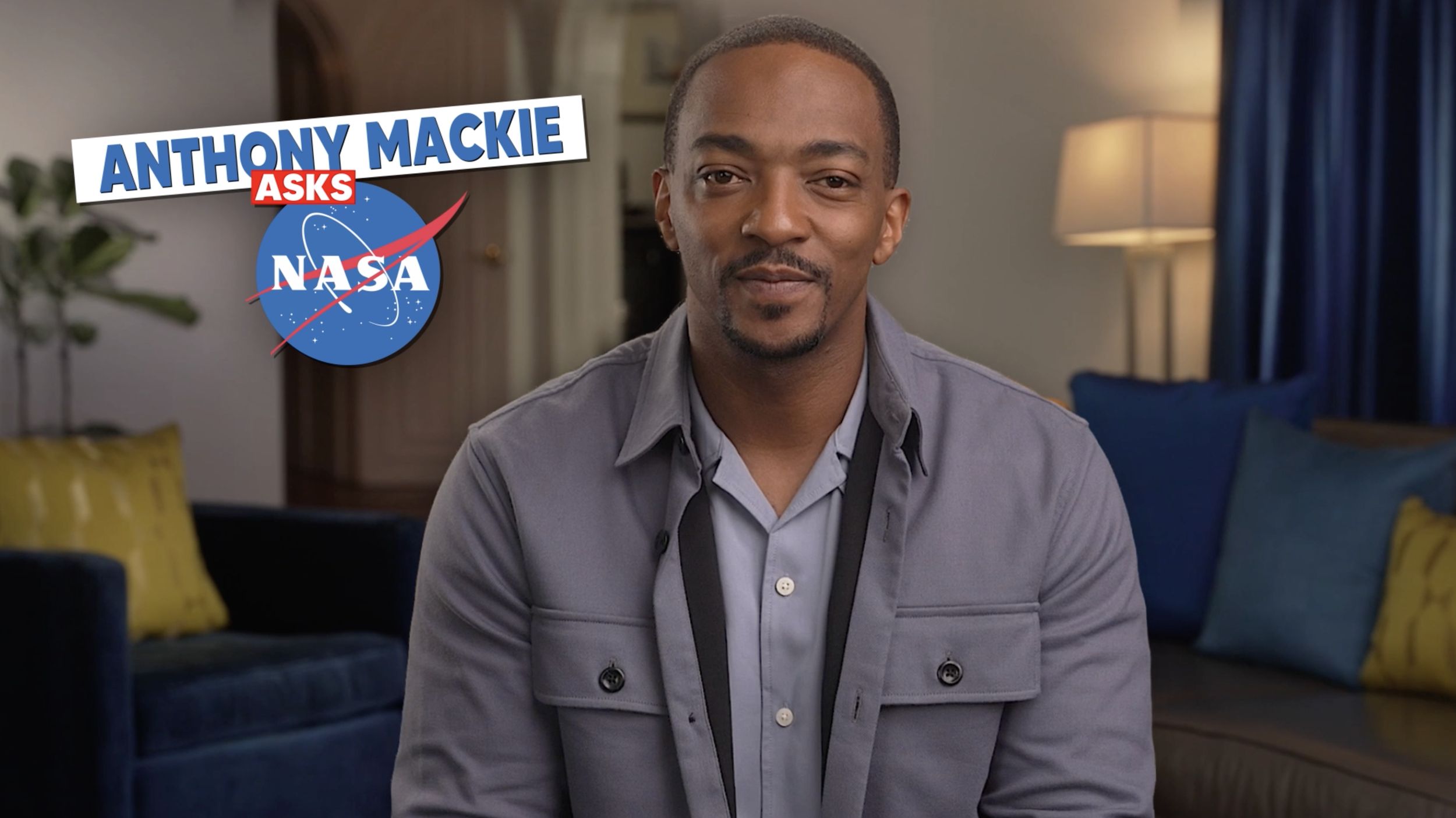
Anthony Mackie, actor and National Geographic host, chats with NASA ocean scientist Ivona Cetinić about how our scientists study the ocean and the creatures that live there – from space! https://go.nasa.gov/45wl6MX

Comment

Lunar Cave

Comment

Lunar Cave


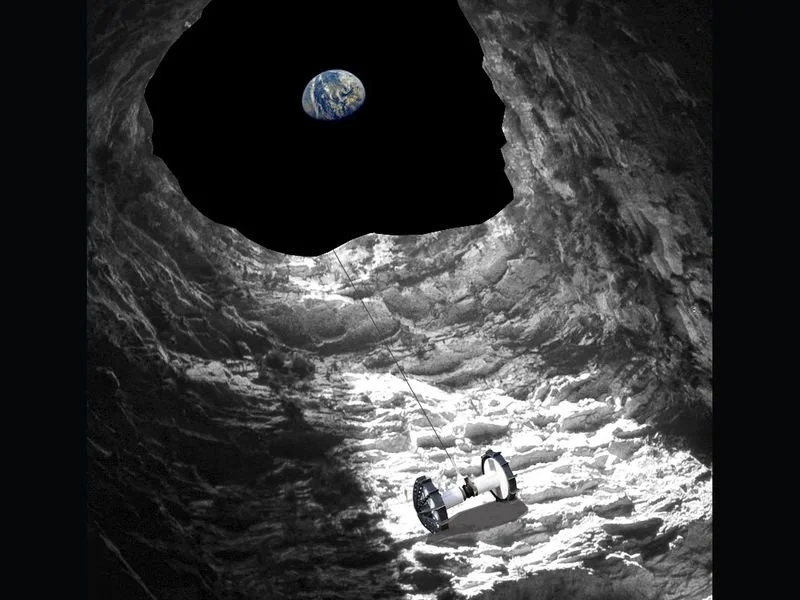
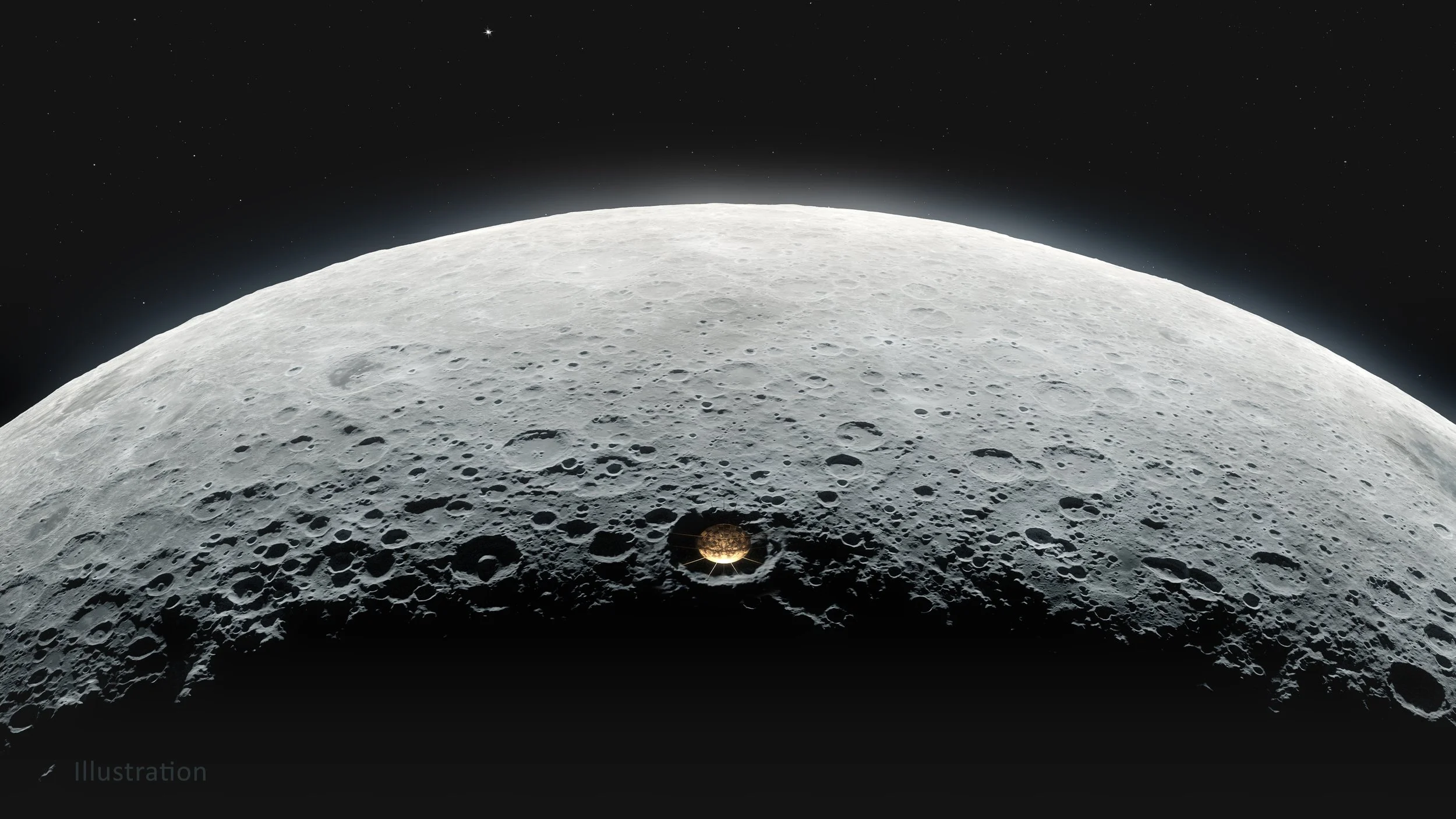
Ever wonder what it’s like inside a lunar cave? Researchers are working on a mission concept to explore and model lunar craters and pits. Planetary pits are visionary destinations for exploration and science. They are gateways to caves which offer havens for human habitation and are also high priority targets for science. This mission concept, called Skylight, proposes technologies to rapidly survey and model craters and pits. This mission would use high-resolution images to create 3D models of the environment. The data would be used to determine whether a crater can be explored by future human or robotic missions.

Learn more https://go.nasa.gov/42UdcvD

Comment

NASA Astronaut Jasmin Moghbeli

Comment

NASA Astronaut Jasmin Moghbeli

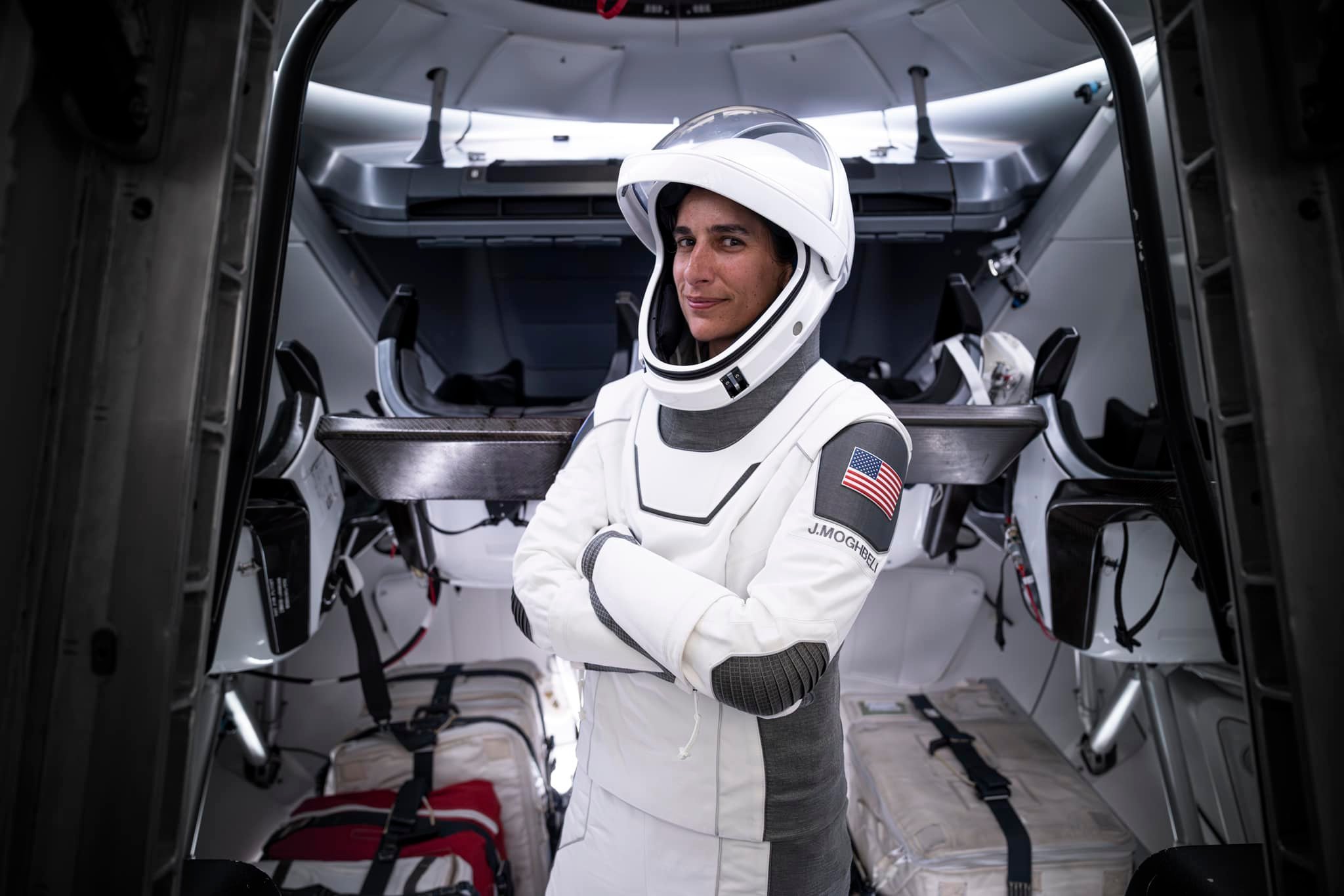
Astronaut Jasmin Moghbeli is one of the real NASA Astronautswhose life story contributed to the research and development of the fictional character, Commander Callie Rodriguez – the first woman to set foot on the Moon in NASA's "First Woman" graphic novel series.

From the International Space Station, Jasmin introduces the brand new “Issue No. 2: Expanding our Universe” and tells us what she's most excited for with Callie's new lunar mission.

Issue No. 2 is available now digitally in English at nasa.gov/CallieFirst and in Spanish at nasa.gov/PrimeraMujer!

Comment

First Woman Issue No. 2: COMING SOON!

Comment

First Woman Issue No. 2: COMING SOON!

Dangling in a previously unexplored lava tunnel on the Moon...

...with a massive solar flare passing overhead...

...causing unsafe radiation levels.

All communications have been interrupted.

Status of Commander Callie Rodriguez: unknown.

In our first issue of First Woman, we followed Callie on her trailblazing journey to the Moon. Find out what’s next for our fictional first woman in a story inspired by real NASA Astronauts and our upcoming #Artemis missions to land the first female astronaut and person of color on the lunar surface.

See what discoveries – and challenges – lay ahead for Callie and her fellow human and robotic explorers as they embark upon a mission to expand humanity's understanding of the universe.

Issue No. 2 is coming soon in English and Spanish at nasa.gov/calliefirst!

Comment

Behind the Spacecraft Psyche

Comment

Behind the Spacecraft Psyche

Power is a critical part of every space mission. Without it, we wouldn’t receive any of the vital science data our spacecraft beam back to Earth.

Go behind the spacecraft with JPL power engineer Ben Inouye, who spent years perfecting the power system on NASA’s #MissionToPsyche

Comment

NASA Using Controlled Lighting Bolts

Comment

NASA Using Controlled Lighting Bolts

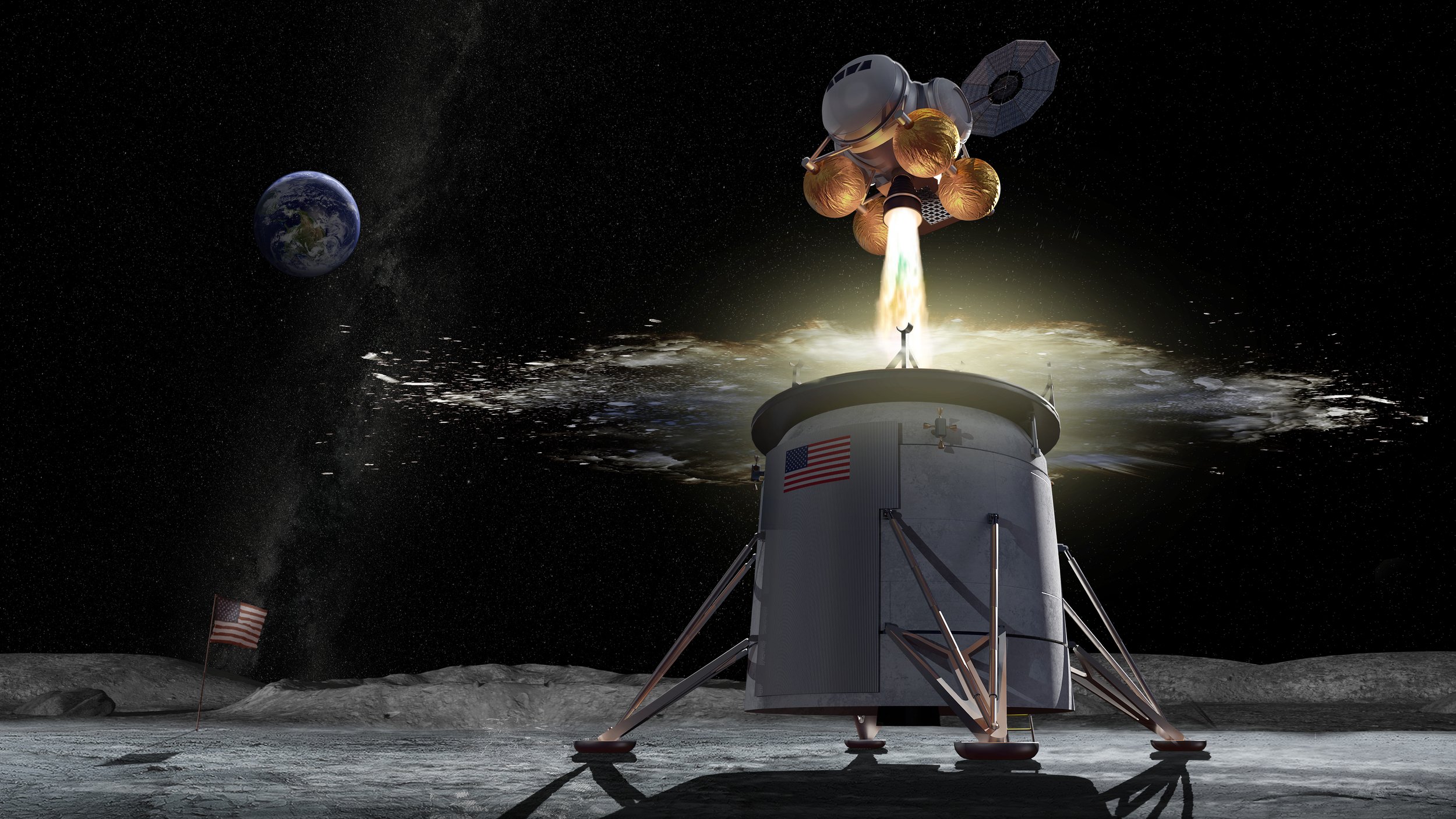
Researchers are working on a concept that could change the way we use the rich resources on the Moon to explore more of the lunar surface than ever before. Arc Mining is a revolutionary process that vaporizes rock with electric arcs and extracts valuable resources like water, silicon, and nickel. These materials could be used to make rocket propellants and build structures and hardware on the lunar surface. This electrifying technology may one day fuel future human exploration missions to the Moon or Mars.

Learn more https://go.nasa.gov/3vQgQYE

Comment

NASA's Human Lander Challenge

Comment

NASA's Human Lander Challenge

he Human Lander Challenge (HuLC) is an initiative supporting NASA’s Exploration Systems Development Mission Directorate’s (ESDMD’s) efforts to explore innovative solutions for a variety of known Human Landing System (HLS) challenge areas. Through this competition, college students become important partners in NASA’s advancement of HLS technologies, concepts, and approaches.

Interested in competing?  Visit the Challenge Details page for more information.

Comment

Ask NASA

Comment

Ask NASA

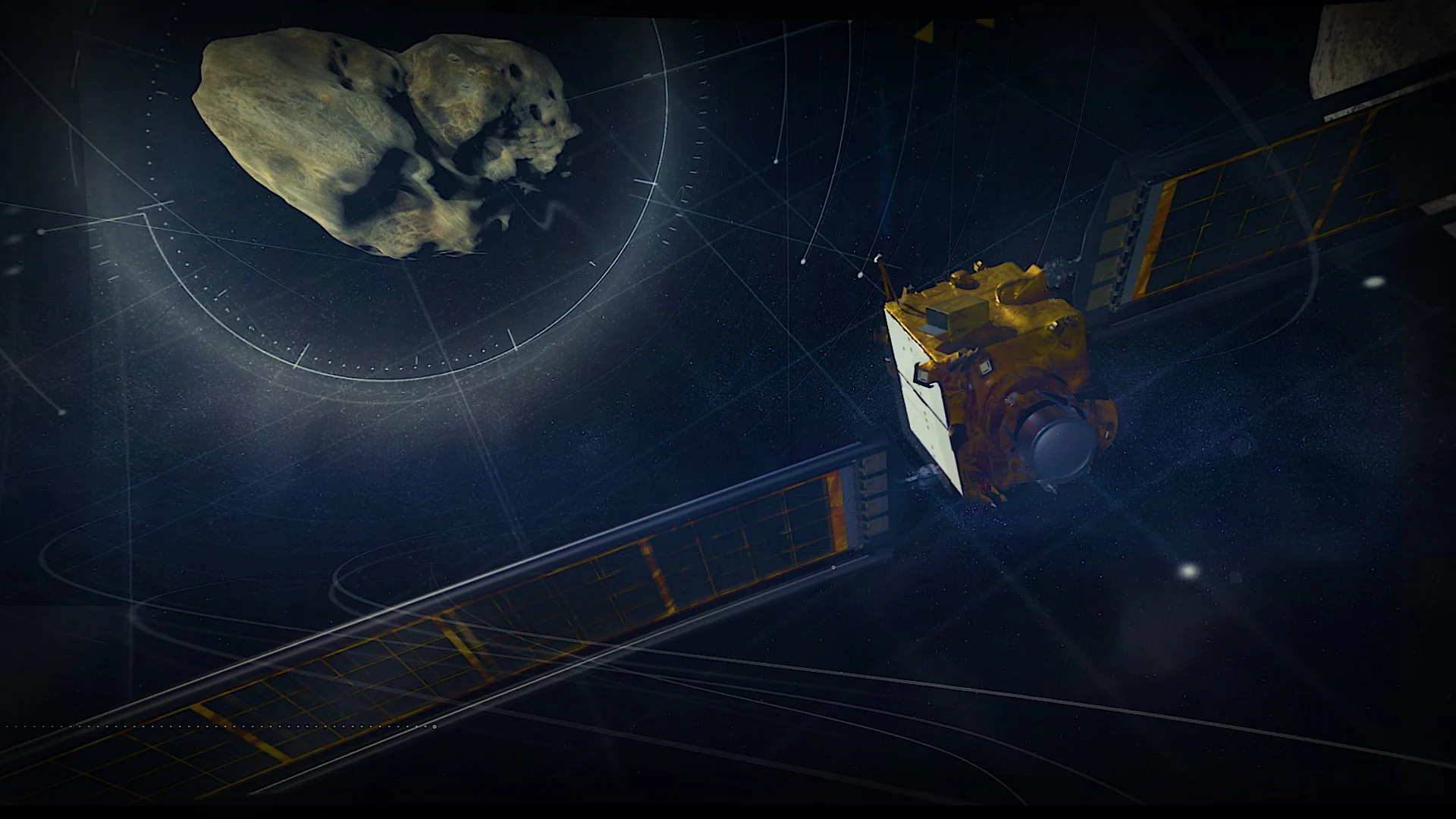
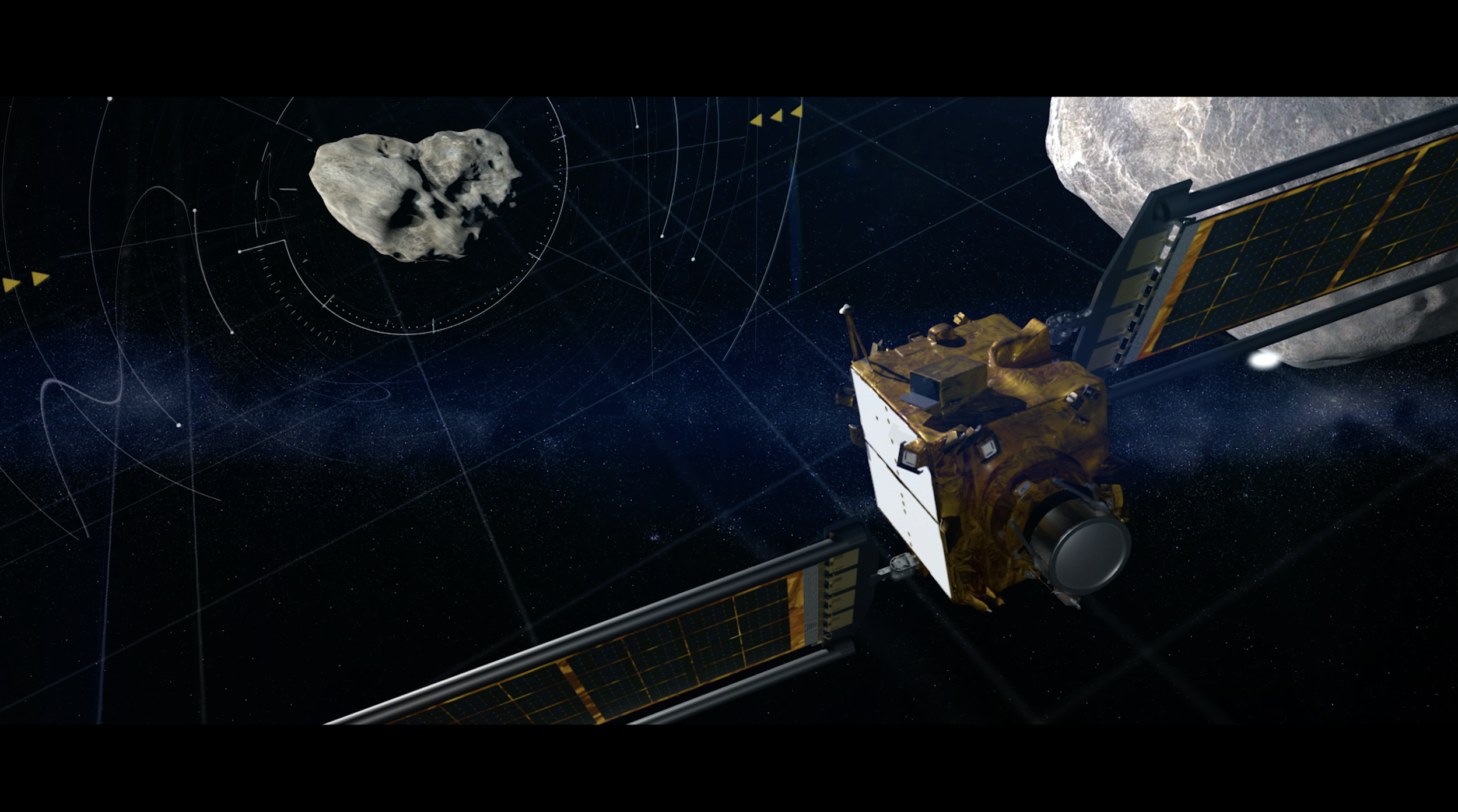
Explore how we could protect Earth from asteroids with 65 actor Adam Driver! Learn how we find, track, and monitor near-Earth asteroids, and test technologies that could be used to prevent a future potential impact. Plus, find out why #OSIRISRex is bringing asteroid samples to Earth. Note: there are no known threats to Earth for 100+ years.

Comment

NASA's quantum science

Comment

NASA's quantum science

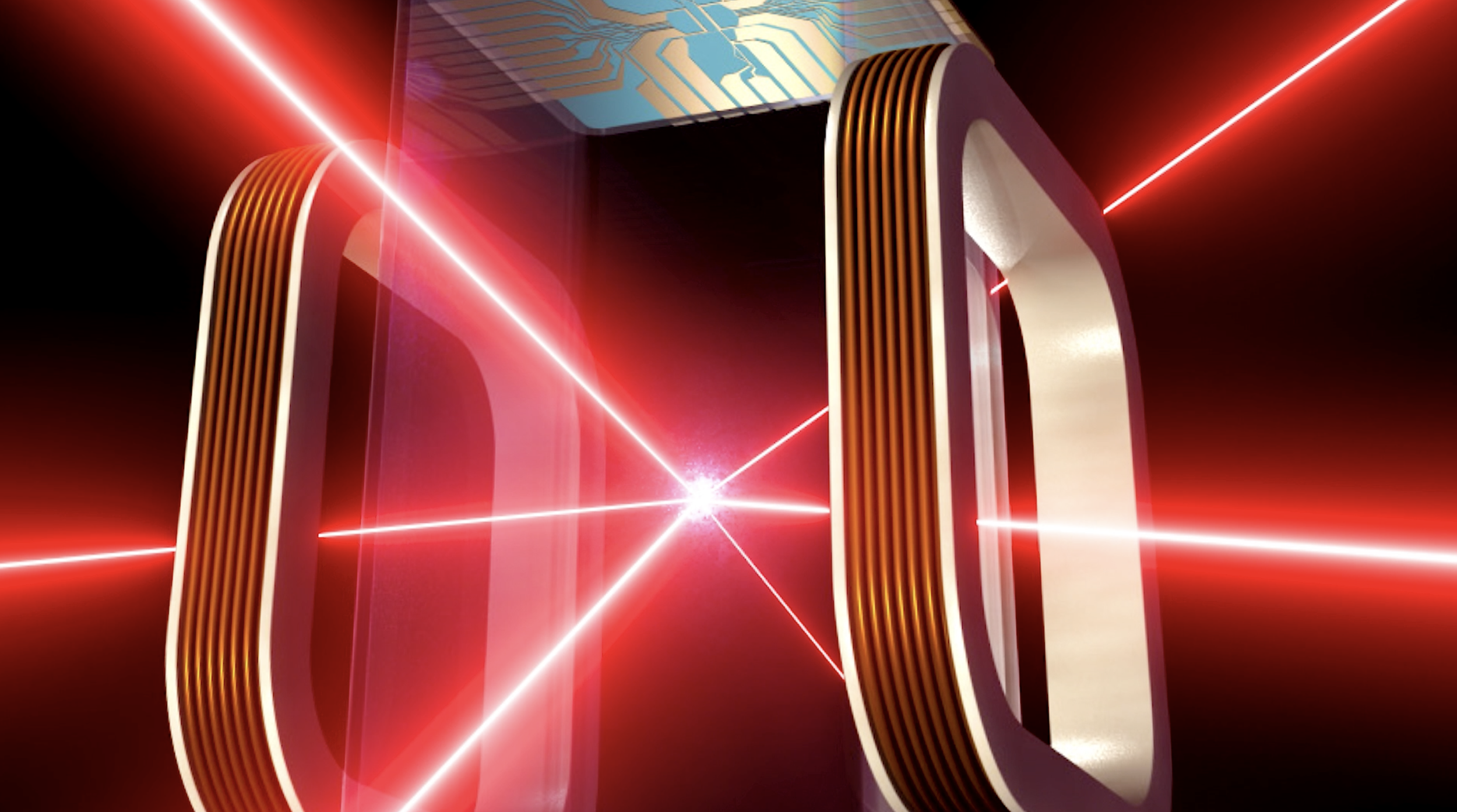
Journey into the quantum realm with Ant-Man actor Paul Rudd! Learn how NASA's quantum science could help unlock insight into the universe’s biggest mysteries, while contributing to technologies that improve our lives on Earth & advance space exploration.

Comment

A New Era of Earth Science

Comment

A New Era of Earth Science

For more than 50 years, NASA has been collecting and providing data about Earth’s land, water, ice and atmosphere. Now, a new era of Earth Science has begun. NASA will launch a fleet of state-of-the-art satellites forming the Earth System Observatory, which will create a comprehensive 4D view of Earth like never before. NASA, working with federal partners, will equip decision makers with the information they need to mitigate, adapt and respond to climate change through the new Earth Information Center. It's a new satellite observatory in the sky and an information center here on Earth, protecting our planet for the next generation.

For more, visit: https://science.nasa.gov/earth-science

Producers: Scott Bednar & Jessie Wilde

Editor: Matt Schara

Credit: NASA

https://www.nasa.gov/press-release

Comment

NASA Innovative Advanced Concepts (NIAC)

Comment

NASA Innovative Advanced Concepts (NIAC)

The NASA Innovative Advanced Concepts (NIAC) Program nurtures visionary ideas that could transform future NASA missions with the creation of breakthroughs — radically better or entirely new aerospace concepts — while engaging America's innovators and entrepreneurs as partners in the journey.

The program seeks innovations from diverse and non-traditional sources and NIAC projects study innovative, technically credible, advanced concepts that could one day “change the possible” in aerospace. If you’re interested in submitting a proposal to NIAC, please see our “Apply to NIAC” link (https://www.nasa.gov/content/apply-to-niac) for information about the status of our current NASA Research Announcement (NRA). For descriptions of current NIAC projects, please refer to our ”NIAC Studies” link (https://www.nasa.gov/directorates/spacetech/niac/NIAC_funded_studies.html).

To find out more, see nasa.gov/niac or contact us at hq-niac@mail.nasa.gov.

Comment